A graduation celebration only an ice boating family and fellow iceboaters will understand. Congratulations to Hunter Rainis on his graduation.
Pictured are Hank Kasier and his nephew Hunter Rainis and his younger brother Henry. Recent graduate Hunter was super surprised and pumped when Hank presented him with the Iceboat.
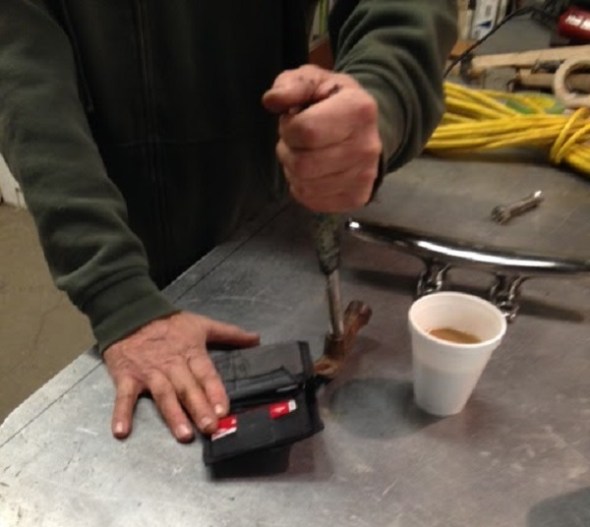
Bowing to his mother’s wishes to be clean shaven, Hunter attempted to make things right with a touch up from his newly sharpened blades.
Hank’s family joined in the celebration and presentation of the DN! Sweat rewards for all his hard work. Also pictured are Hank parents, sisters, their husbands, nieces and nephews.
Hunter has sailed with Hank on the Ice at Mecox and Swann Lake and also sailed in school at Monmouth University. All are enjoying the beach for the moment and hoping for a cold winter with smooth ice to sail on.
We look forward to seeing Hank and everyone else on the ice in an optimistic four months.
From Long Island NY
Pete Ranis
08/01/2017 | Categories: 2017 Season | Comments Off on Graduation Party – Long Island (Ice Boat) Style
A good crowd gathered yesterday and to hear of recent, past and talk of adventures yet to occur.
Commodore James “T” Thieler and Eben Whitcomb entertained the crowd with tales from their recent trip to Baikal. Through words and pictures we felt like we were there with them. Thanks to both for taking the stage…
Leo Healy, life long ice boater and NEIYA founding member, shared stories from his own Baikal trip during the closing years of the Cold War in the late 80’s. From my account they were not that different, so must be true.
No trip to CSI would be complete without getting a peak at some of the Go-Faster innovations Jeff is working on. The latest items include █████, █████████ a new ███████████ and █████. Sorry for the redaction. You will just have to show up the next time.
The NEIYA traveler’s award goes to island dwellers from Long Island, NY and Nantucket. Cheers to the eight guys that journeyed across water and land to participate. And special thanks to Paul from Albany show showed up on the CSI doorstep looking to upgrade his program for racing. Paul we hope to see you on the line next season.
It’s going to be a long hot summer but the ice will come in the third quarter.
John
DN5023
john@neiya.org
P.S. We are putting together a group of boat to display at Mystics Wooden Boat Show 6/30 – 7/2 if your interested in participating please reach out to me. More details in the next few days.
04/30/2017 | Categories: 2017 Season | Comments Off on Spring 2017 CSI Gathering Recap
Yes, I have been outside today and yes our season is most certainly over but that’s no excuse not to come out Saturday. Whether you are new to the game or as old as the hills, looking at or talking about iceboating is top on your list of things to do anytime.
Remember it’s going to be a long hot summer and this is a great opportunity to cool down.
T and Eben have promised a great dog and pony show to entertain us. Including a live bear wrestling demonstration. Something they learned from Putin himself on the shores of Lake Baikal, Siberia. Of course, there will be ice boat discussions from start to finish so join in.
Get there at 11:00 AM enjoy your favorite beverage while drinking in decades of knowledge. A tasty lunch will be provided. Feel free to bring adult beverages of your choosing. See you there!
It’s this weekend. Come down to CSI T and Eben have promised to entertain with tales from their trip to Lake Baikal, Siberia. Of course there will be ice boat discussions from start to finish so join in.
Get there at 11:00 AM or so- enjoy your favorite beverage while drinking in decades of knowledge. A tasty lunch will be provided. Feel free to bring adult beverages of your choosing. See you there
We will once again gather at Jeff Kent’s Composit Solutions to celebrate the past season and get a jump on the next.
This year T and Eben will be talking about their Russian adventures on Lake Baikal. There of course will be side bars on all things ice boating, so bring your quesions and be prepared to answer others.
Get there at 11:00 AM or so- enjoy your favorite beverage while drinking in decades of knowledge. A tasty lunch will be provided. Feel free to bring adult beverages of your choosing. See you there
Date: Saturday April 29th
Time: 11:00 – 3:00 PM Place: Composite Solutions, 41 Sharp St, Hingham, MA 02043
This slideshow requires JavaScript.
You may need to go to the website to view the slideshow.
Think Ice!
John Stanton
DN5023
NEIYA
Vice Commodore
04/12/2017 | Categories: 2017 Season | Comments Off on NEIYA Tales from Baikal Gathering Sat Apr 29th
In case you missed it the Chickawaukie Ice Boat Club is holding their Spring gathering and meeting this Sunday. Swap stories or your plans for next season. We are coming into building season and the heart of ice boat building is with the CIBC. Bring your ideas and there will be many people to help get you started.
When: 11:00 am Sunday April 9th Where: 15 Bunker Hill Rd, Jefferson, ME 04348 Note: Bring pot luck food to share.
While we wait here or choose to travel across the northern border here are a few words of wisdom pilfered from the Chickawaukie Ice Boat Club website http://iceboat.me
Lloyd Roberts wrote this some years ago for all our benefit. Please take a moment and read it. We need to know this stuff.
THINK ICE, SAFELY A PRIMER FOR THE NEW ICE SAILOR and A REVIEW FOR THE REST OF US
FORWARD
We use the term ice sailors to include the whole community of those who sail on the ice. There seem to be more non racers using the ice than racers and they are often using the same piece of ice at the same time along with the skaters, skate sailors, free skaters, bicycle riders and ice fishermen.
There is a general feeling that “touring” (non racing sailing) is more dangerous than racing. Racing takes place on a defined, explored, area of ice. The racers sail in a somewhat predictable manner with a common goal. The opportunities for collisions in races are numerous but generally avoided by awareness and adherence to ROW rules and self preservation instincts.
The rest of us are out for a sail on the ice. Our behavior is not so predictable and our goals vary. We may be new to the sport, or have a new craft and are trying to make it work. We may be wearing a GPS and trying to see how fast we can go. We may be actually touring, exploring the available ice. We often seem to be aimlessly reaching back and forth with no particular goal, just enjoying the unique kinesthetics of sailing on ice.
Ice sailing is inherently hazardous by nature but we all can reduce the chance of an adverse outcome with forethought, awareness (getting our eyes and minds “out of the boat”), and common sense.
Why do we do it? We do it because it is a unique and fascinating winter adventure.
RIGHT OF WAY
Safety in racing largely focuses on the ROW “rules”, different for ice racing than for soft water racing. “Right of Way” implies an imperial right and it is tempting, in the excitement of competition to use that “right” as a weapon to inconvenience rivals. Maybe water sailors do this but the high closing speeds and resulting compressed reaction time in ice racing make aggressive ROW use inadvisable.
The “Right of Way and Safety Requirements” drawn by the late Hal Chamberlain based on the National Iceboat Authority Rules are published periodically and should be familiar to experienced ice sailors. These are written especially for racers but should be familiar to and used by non racers as well. These customs are designed to prevent collision by providing predictable behavior patterns for ice sailors approaching or in proximity to other sailors. The emphasis of responsibility is on the “KEEP CLEAR” skipper. The “ROW” skipper has the initial responsibility of not altering course in a way that might confuse the “KEEP CLEAR” skipper. However “ROW” should not sail to destruction if “KEEP CLEAR” does not keep clear. Here is where aggressive sailing by “KEEP CLEAR” can be hazardous. Apparent aggressive sailing may of course be due to one or both skippers not seeing each other. The problems of visibility and perception are a common theme in any discussion of ice sailing safety.
The “Right of Way and Safety Requirements” follow at the end of this article. Feel free to print the graphic, laminate it, and keep it in your kit.
VISIBILITY, SEEING, AND PERCEPTION
Perception requires seeing and seeing requires visibility. In our less serious recent collision, during a race, the KEEP CLEAR did not see the ROW until about 8 feet away. His first thought was “what the hell is that” (perception problem) and they crashed without evasion time. ROW never saw KEEP CLEAR. Visibility from a DN in racing trim can be difficult and often the view is through the sail window which can be compromised by reflections. Are we suggesting going back to the ‘70’s sitting position in the DN? Not a bad idea for non racers, more comfortable too. Realistically, anything that slows down the racers is not going to happen.
Fogging of glasses, goggles and helmet visors is very dangerous and should not be tolerated. Spend whatever it takes, good goggles, vented helmet, contact lenses, etc.
Seeing requires looking. It is easy to gaze with rapture at the beauty of the sail and the antics of the tell tales or watch the ice boat beside you for some time as you creep past him. This is ice sailor’s attention deficit disorder, too long an attention span. “Keeping your eyes out of the boat” means looking around all the time, spending no more than a few seconds fixation on anything.
Despite looking you may not see a dark colored boat against a dark background, the sail may be edge on to you and not very visible. A bright colored boat may not show up against light ice in the sun. The European answer to this is fluorescent paint on the bow of the boat from mast step to bow, a very good idea. This helps peripheral vision detection and perception.
Perception is understanding what you are seeing (“what the hell is that?”), how what you are seeing may effect you, and what you should be doing about it. If at the moment you see a boat heading in your direction you also see a red stripe on your boom reminding you that you are on port tack and you are Captain KEEP CLEAR. You know it is your job to let ROW know you see him (wave, change course sufficiently) and you will miss him. If you are not racing you may be deep in ice reverie in ice heaven but you still have to periodically deal with other boats and all of the ROW customs apply.
HAZARDS OF TOURING
We have dragged home ice boat wreckage at least a half dozen times in the past 30 years, including many years of racing, but never from a racing accident. I have luckily never been really injured, just pretty sore a couple of times. Most non racing accidents are solo affairs (our recent fatality excluded). They are usually due to ice hazards, wind hazards (too much), or mechanical failure. Any ice big enough for touring in the literal sense of sight seeing is going to have hazards, guaranteed.
It is not smart to sail alone even on ice “known” to have no hazards. It is suicidal to sail alone on unknown ice or on big ice even though some of it has been recently sailed on. Other than a short trip out to the race course we use the buddy system. The buddy system means sticking together like glue with another ice boater and maintaining visual contact.
On a large lake a buddy system of four skippers is better. If something happens requiring help one skipper stays with the disabled party, the other two go for help. No one is alone.
Top speed is not necessary or desirable while touring (it is the trip, not how fast you cover the ice). Sit up, slow down, enjoy the scenery, keep an eye out for hazards and day dreaming tourers, again, eyes and mind out of the boat.
HAZARDS OF THE ICE
Ice, wonderful stuff, not only presents many patterns, colors and textures which give it character, but it may be too thin, reasonably thick but structurally unsafe, have holes in it for no apparent reason, be pressed together into ridges, pulled apart into open leads, or simply absent in unexpected places. Blessed is the lake covered with a uniform sheet of ice with no defects. This lake is usually small, you don’t need big ice for a big time.
Just as it is foolish to sail alone, it is almost as bad to come to a lake with boaters already on it and not inquire about hazards. If “there aren’t any”, don’t believe it, follow other boats until you get the lay of the ice. Still, use the buddy system. On a lake of any size if you have a problem and the sail comes down you disappear. You were sailing alone despite others on the ice.
New black ice usually does not cover the whole lake all at once. You can have nice 3 ½ inch thick ice transition to 1 ½ inch thick without any clue on the surface as seen from the ice boat. Snow drifts on new ice may insulate it so the ice under the drift is dangerously thin. Snow covered new ice is extremely dangerous.
Ice expands sideways as it freezes until it buckles into wrinkles called pressure ridges or reefs. These are always dangerous as one edge over rides the other often breaking it into small pieces that will not support you or your boat. Usually a ridge can be crossed somewhere after exploration on foot. Never sail across a pressure ridge no matter how benign looking unless you have just seen someone else do it right in front of you, and even then use caution. Be aware that pressure ridges may change from safe to unsafe in minutes. When in doubt get out, park, and explore on foot. Sometimes “pressure ridges” pull apart, these open leads are especially treacherous, even if you “know where it is”.
Many lakes have areas where, year after year, there are open spots, maybe way out away from shore. Local knowledge is very important and is the reason we tend to sail the same lakes season after season.
Frequently there is thin ice near points, islands, and shallow spots (like launch ramps) due to local solar warming of shallow water. These also tend to repeat year after year. Streams entering or leaving can be counted on to have thin ice near the mouth. Likewise but not so obvious, narrows between islands can have currents that undermine the ice.
Navigational buoys usually mean shallow water, beware.
We sometimes sail on larger lakes with large areas of open water (we would rather not). Be wary not only of the visible water but also the likelihood of open leads extending away from the open water. These can be sneaky because your attention is drawn to the open water and you do not look in front of you.
A nice sheet of ice on a large lake with a lot of open water may blow away from the land and then break up or it may break up from on shore wind and wave action. Local knowledge is vital.
THE VIRTUE OF SAILING AROUND BOUYS
Some feel that racing is what iceboating is all about and spend all their time doing it, going around little red buoys like moths around a candle. Racing is very exciting, highly addicting, and the only way to learn how to sail an ice boat well. Get advice and coaching from the faster skippers, they will be happy to help you. If you have questions about ROW, ask. DN racing has gotten very serious, sophisticated, expensive, time consuming, and rather daunting to the new ice sailor who often states “I just want to sail”. OK, but that sailor will probably never learn to sail down wind in light air, which always seems where the launch area is at the end of the day. Informal racing is the key here, you don’t even need to think racing, just put out a couple of traffic cones for windward and leeward marks and sail around them. Lacking cones use fishing houses (with respect for tip ups and people. If you hit a tip up, stop immediately and re-emburse the fisherman.) The important thing is to break out of the easy pattern of just reaching back and forth all the time. It takes at least a season to get the hang of sailing down wind. Some never get it.
PERSONAL SAFETY
SPIKES: You have to have traction. Spiked track shoes are the ultimate in traction and lack of warmth. Golf shoes are warmer. Insulated boots with ice fisherman strap on things (“DeIcers” recommended) are warmest and OK on clean ice, they are not so good in snow.
HELMETS: You absolutely need a helmet. Years ago we saw an iceboater while wearing spikes slip, fall, and lay his scalp open. Another, not wearing spikes, slipped just standing still and knocked himself out. Ice is harder than the hardest of hard heads.
The “Joffa” skiing helmets are very popular with the racers because they are very light which is vital for the recumbent DN racers and the face opening is very wide for good visibility. The lack of weight is due to a relatively thin outer shell and skimpy shock absorbing padding. A Snell approved motorcycle helmet is designed for impact resistance at highway speeds with hard objects like ice boat parts and ice, not just packed snow on a ski slope. Yes, they are more expensive. What are you brains worth? The weight is not much of a problem if you are sitting up in a civilized manner in touring mode. If you race, build up your neck muscles (see Appendix; “Skipper Care”). A properly fitting helmet is nice and warm too. Buy your goggles at the same time so they fit the helmet.
ICE PICKS AND THROW ROPES: Most of us now carry a pair of handles with spikes in them on a string around our neck (these are commercially available or you can make your own with dowels and nails). These are for clawing your way up onto the ice if you go swimming. Wet ice is very slippery. You can also carry a throw rope in a small bag or on a small reel on your waist. This you can use to haul someone out of the water or get yourself hauled out by your buddy. Your main sheet may save a life.
CHANGE OF CLOTHES IN YOUR CAR: A complete change of warm clothes would be pretty nice if you get wet, wouldn’t it?
PHYSICAL CONDITION SAFETY: Ice boating is strenuous, especially carrying and setting up the boats, and particularly trying to get a boat out of a hole in the ice. It is annoying to find you cannot hold your head up after sailing a short time. It is really annoying to be laid up for a couple of weeks after throwing your back out lifting ice boats or their parts. Regular daily year round stretching and muscle tome exercises will prevent these problems. See “Skipper Care” in the appendix.
HYPOTHERMIA: It is easier to stay warm than to get warm. Overall hypothermia can happen, especially if you have been swimming. Get ashore and get warm. At least change out of the wet clothes, if really cold get into a tub or shower. If really really cold, like unable to stand or losing consciousness, get to a hospital, this is a medical emergency, do not even try to walk around, activity can kill you.
A face mask or full face enclosed helmet is a must for all but Spring sailing at above freezing temperatures. Hands and feet seem to present the most problems. Hands spend a lot of time pulling on the sheet which doesn’t help circulation. Snowmobile mitts and gloves would seem to be a good idea but most of them don’t do the job. The best arrangement in our experience is insulated deer, elk, or moose hide “choppers” (Cobella’s or LL Bean) mitts a size larger than you wear and an inner pair of thin but warm gloves that you can leave on when adjusting rigging, changing runners, setting up the boat etc. The XC skiers have some nice thin gloves with leather palms.
If wearing track shoes look for Gortex outer socks that keep the wind out and even stay dry when wading in puddles. Divers foam neoprene socks work well too. Again the shoes should be a size or two too big so you can wear a couple of layers of socks.
The ultimate anti cold weapon is the catalytic warmer envelope (iron and salt) which gives off heat for 6-7 hours. These are available at sport shops and often at gas stations in ice fishing country. They come in hand and toe patterns. They cost about $1.50 a pair, worth every penny. When it really gets cold these will keep your pinkies toasty warm all day, really.
IMMERSION (If you haven’t been swimming you probably will).
The U. S. Air Force requires all air crews to pass immersion drill exercises, it has been suggested that at first ice we should do the same, someone please organize this and lead the way. Not a bad idea, but I doubt we will get universal participation.
Anticipation and forethought should be almost as good as doing it. There has recently been a report from an immersion guru that once in the water you have about 10 minutes of consciousness and action before hypothermia gets you and you should spent the first minute getting used to the cold water, orienting yourself, and planning action. My personal experience and that of some others is that if you get out fast enough you don’t get totally sopping wet, a big plus.
The most common situation is sailing into a small spring hole or pulled apart pressure ridge you did not see. The ice boat tips over and often some part of it is on the ice for convenient climbing out. You may end up under the sail which can inspire panic. The ice at the edges of such defects is usually thick enough to support standing weight and often the boat can be extracted and sailed home promptly with due regard for the sheet freezing. This is easy: you go in, you get out, you get it out, you sail it home, you change and warm up. If the boat is damaged get someone else to sail you home and make sure you are dry and warmed. Let others take care of the wreck. If you were sailing alone you could be in big trouble. Apply warm fluids inside and out (bath, shower). It is important to be chaperoned in the post swim interval as hypothermia can rapidly lead to mental impairment and confusion unapparent to the wet person. Incoherence and inability to stand is a medical emergency, call 911, do not let the cold person try to warm up by attempting to walk etc. Get them out of wet clothes.
Sailing onto thin ice for some distance and breaking through is more complicated. It is important to get out, spread your weight out on the ice by not getting up, and claw your way back from whence you came on thicker ice. A moment or two for orientation is in order here. Extraction of the ice boat can be complicated needing ropes, boards, boats, etc. If an immersion suit is available and seems useful it should be used by someone familiar with its use, practice is needed, preferably in the summer. Preparation goes a long way here. Early and late in the season I often carry a 12 foot plank on the truck, usually used for getting on the ice at a thin edge. It would be very handy for thin ice rescue. A wind surfer hull with ping pong paddles, the paddles having spikes on the other end of the handle, is advised by Leo Healy and sounds pretty good. The NJ ice boaters have a tin “john” boat on retractable trailer wheels that is hauled to the ice by car and on the ice with an ATV. But the boat/trailer can haul all the regatta paraphernalia out to the race site including the wind break for the race committee, hot meals, lawn chairs, etc. More things to play with.
It is possible to get out of the water without ice claws by getting your body horizontal in the water and breast stroking up onto the ice. The late Larry Hardman did this easily (at 1 AM by moonlight and zero degrees), he says he just popped out onto the ice like a seal. The hard part was waking up the occupants of a nearby house who were astonished by the ice encrusted black snow mobile suit clad apparition. They took him in and plopped him a bath tub.
Skaters usually have warning they are on thin ice by cracking preceding break through. My experience (skating on known thin ice over thin water) is that a skate breaks through and trips you so you fall forward automatically distributing your weight over the ice. The skate has all your weight on a few square inches. The only problem here is your feet get wet and the laces freeze so you can’t get the skates off. A pocket knife plier combination tool works well here and is often handy for ice boating.
In summary, go in, think, get oriented, get out, get help, get dry, get warm.
02/02/2017 | Categories: 2017 Season | Comments Off on Words To Sail By From Lloyd
Thanks to Chris Mayer for shooting and sharing the below videos of the New Englands on Sunday. Sure was some beautiful ice. Looks even smoother in video.
Lets see what this current weather does for us. Please please please report in on our email ice reporting system. As I and many have echoed ice MUST be rechecked especially after weather transitions like we are seeing today. In other words, let everyone know what you are seeing and check well and use caution. Members can submit reports via email to neiyaicereports@wiggiomail.com If you are having trouble please reach out to me.
Sail Fast,
John Stanton
DN5023
john@neiya.org
01/18/2017 | Categories: 2017 Season | Comments Off on Freshly Downloaded Videos – Sunday @ The New Englands
Brian Langley was out on Quabag Pond this Sunday and sends in this inspirational video of his daughter Bella’s first solo sail. Three cheers to a brave young lady and her proud parents. We are all looking forward to seeing that pretty pink BDX ripping up the ice in the years to come.
Belle Sail Fast and Safe…
01/17/2017 | Categories: 2017 Season | Comments Off on Bella of the Ice
Just a few pictures to keep you occupied till the regatta write up is in. Perfect venue just south of the Champlain Bridge with a spectacular 360 degree view. The wind was fairly steady about 10-12 knts ( official number to come) but that’s my best guess. Smoothed over clean ice that was for the most part excellent.
Sorry pit only shots, no action. There were a couple people taking pictures so if your reading this please send them in to me.
Sail Fast.
John Stanton
DN5023
john@neiya.org
01/16/2017 | Categories: 2016 Season | Comments Off on Pictures From New Englands
I learned years ago that ice boating is mostly anticipation, preparation and travel. Oh, did I forget patience? Maybe the most important iceboating attribute. To help pass the time till we are together on the ice somewhere. I borrowed some diversions from the Lake Ronkonkoma Guys of Long Island. Not Ronkonkoma Lake as they would say in Maine. Thanks for sharing.
John
DN5023
01/02/2017 | Categories: 2017 Season | Comments Off on While We Wait…
Like Victor Hugo, we all have Winter in our heads and hearts for most of the year. Since today is the Winter Solstice, these sentiments are even stronger. Stronger as we eye our friends in Maine sail today, stronger as there is sailing in MA this past week and stronger as we make plans to to sail that fit into our work, family and holiday commitments. Will relatives and loved ones understand if I bail on festivities to sail? Only one way to find out but it would be prudent to bank for a later time.
Weather is coming so keep a keen eye here, with our friends in Maine at the CIBC and the NEIYA email ice reports. All NEIYA members and special guests should be receiving Ice Report emails at this point. If you have not, please email me directly. I know of one email deliverability issue that is being addressed.
A couple people have asked how the email forwarder works. Well not much instruction needed. Just hit the reply button in your mail to reply the full group. If you want to send a message to just the sender go to the bottom look for and click “To reply to the group mailing list, |Reply to only the sender” or if more comfortable just look to see who was the actual sender of the email. Starting after Christmas Rick Bishop, myself, Oliver Moore and others, as the moments arise, will poll the group with an email. The rest is up to you. Reply with conditions, use to hook up with sailing partners or other relevant information. Please no cat or golfer pictures unless either of them are on the ice.
Think Ice,
John Stanton
john@neiya.org
12/21/2016 | Categories: 2017 Season | Comments Off on Winter is on my head, but eternal spring is in my heart
Happy Thanksgiving! Enjoy your Thanksgiving Day with friends and family and give thanks for all that you have.
Thanksgiving is a special time for so many reasons. Asside from the everyday it is a time when our warm weather dreams morph into Hard Black Ice. There will be sailing soon…
Looking forward to carving up some ice this season. Not on the centerpiece but around the leeward mark or on a screaming reach with chips a flying.
If you haven’t yet, it’s time to get ready. Haul out the gear from the cellar, the back of the garage or hidden about the house. Check out your gear weekend.
Don’t forget our annual off ice tune-up this weekend.
Runner Stoningaka after grind care – presented by Eben Whitcomb
Why We Race and You Should Too – presneted by James “T” Thieler
Runner Straightening Demo or What To Do After an Incident – presented by Bob Haag / Steve Lamb
Boat Surveys – Have an old boat and want to get it on the ice this season? Give it a once over before sailing. Have a barn boat? Experts will be standing by to help.
If you reserved Boride stones, they will be waiting for you. If not, there are a limited number of additional sets available.
Looking forward to getting together setting up a few boats and learning a thing or two.
Please note, in order to help focus on learning and knowledge transfer, there will again be no runner grinding this year. If you need help with sharpening ask about options turning the tune-up or reach out and we find a way to get it done before first ice.
Ready your gear the ice is near,
John Stanton
DN 5023
John@neiya.org
11/22/2016 | Categories: 2016 Season | Comments Off on 2016 Lamb Tune-up Saturday November 26th
It’s that time of year again. People are dragging their boats down from the rafters and rigging up. Checking to be sure that things are in good working order.
You don’t have to go it alone. If you have questions on tuning your boat or just want to learn a new skill or two, come on down to the NEIYA off ice Tune-up. Novice and expert alike will be there to share and or learn. See you there.
We will once again be making a club bulk purchase of Boride Stones. Last year we sold out quickly. Please send me an email if you would like a set, john@neiya.org
See you there and Think Ice,
John
11/13/2016 | Categories: 2016 Season | Comments Off on Tune-up Time Saturday Nov 26th
… Down at the Connecticut Ice Yacht Club, Joe Kolodej was seriously injured at work and a fundraiser has been organized by George Neysson. Lots of us build things and use tools, so its always useful to try and understand how these accidents happen. All the best from Maine, Joe!
I spoke with Joe for about 15 minutes the day after he got back home. Joe was at Cedar Island Marina in Clinton, CT. working on a Silverton 42. The boat was out of the water. He went below decks to do some welding believing the boat had been vented. When he began there was an explosion. He told me he wasn’t sure whether it was fuel or propane that caused it. He was able to get back on deck but the ladder had fallen away from the boat. Someone heard the explosion and came to help him. His right arm was badly damaged. He told me his hand was just hanging, his thumb wasn’t in the right place (his words) and blood was pulsing out of the arm. He was immediately wrapped up with boat yard shrink wrap to contain the flow and rushed to Yale/New Haven.
He told me the emergency room was full of doctors and nurses to stabilize him. There were 2 more surgeries: the first to determine the extent of damage and another to do skin grafts. He has pins in every finger on his right hand and has a pump hooked up to take care of drainage, I assume. He has a nursing service coming to the house as well and is on 2 kinds of pain killers and still not very comfortable.
I haven’t talked to him again yet; thought I’d let him settle in a bit. I don’t think he’s very comfortable recounting the incident. I know I wouldn’t be either. It sounds like he’s worried whether he will be able to use the hand and arm. He also sounds like he’s not sure what will happen from a legal standpoint, if anything; it’s still being investigated by the local police dept.
He’s guessing it will be at least a 6 months recovery period; probably what the doctors told him. That’s all I have at the moment. I’m really grateful to George for setting up the fundraiser. Joe might have rejected such a thing but I’m sure he’s going to need some backup funds down the road. I’m hoping that we can raise a large sum to take that worry out of the equation. And, at the same time, let him know his friends are with him on the way to a full recovery, if possible.
11/13/2016 | Categories: 2016 Season | Comments Off on Tragedy Stricks CT Ice Boater
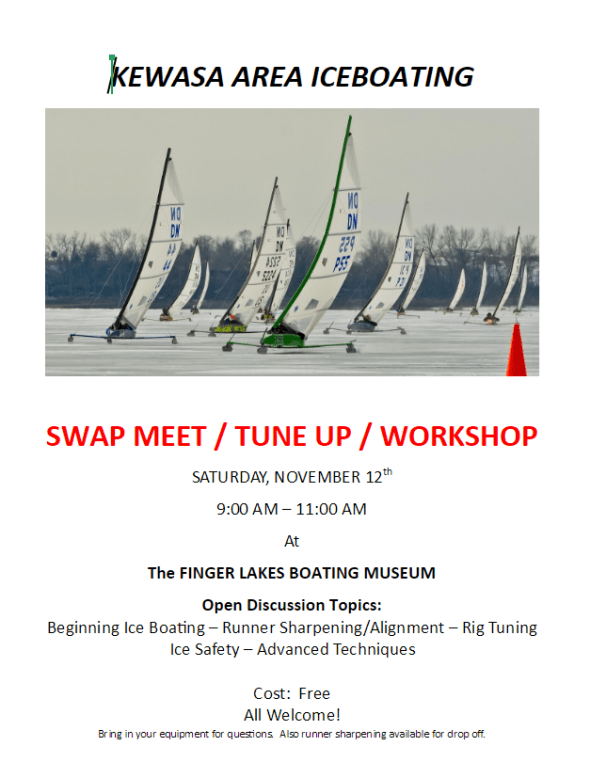
News from our ice boating friends and brethren in the Finger Lakes region of New York. Sounds like they have a great venue and a good number of activities.
KEWASA 2017 Season & Meet
Welcome to a new season!
Now is the time to start thinking of moving the iceboat out of the back of the garage to get your lawn furniture in. While you are at it – if you have anything that you don’t want any more, plan on bringing it to our annual meeting and swap meet at the Finger Lakes Boat Museum and sell it to someone who may need it!
Annual Swap Meet / Tune Up / Workshop
Saturday, November 12th 2016 9:00 AM – 11:00 AM Finger Lakes Boating Museum Hammondsport, NY
11/10/2016 | Categories: 2016 Season | Comments Off on This Saturday 11/12 – Finger Lakes Region NY Ice Boating Swap meet and Gathering
With the election done it’s on to other pressing issues- just after the NEIYA tune up clinic on November 26 will be the Great Western Challenge.
This is held first weekend of December (Fri-Sun, 2-4 this year) on the best ice in Minnesota. If you own a DN start planning to attend! Long trip but worth it….
Would be cool to have a big eastern group this year- to help with logistics I’m going to ask anyone who is going or wants to go let me know if you are looking for a ride, have a seat available, trailer space, whatever…. Email me att_thieler@yahoo.comand we can try to get people hooked up.
Look forward to hearing from everyone!
T.
11/10/2016 | Categories: 2016 Season | Comments Off on The Great Western Challenge
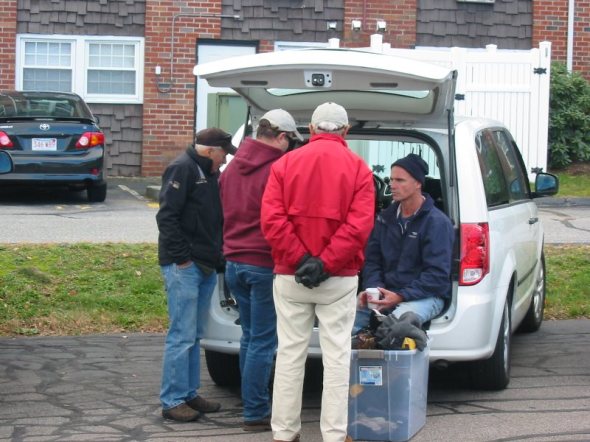
This year’s annual Swap & Meeting was a great success and a good time was had by all. The day started before 9:00 with cars and trailers pulling in and setting up boats and equipment for sale. The came form CT, MA, NY, RI, NH, VT, NJ and ME and beyond.
For those in buying mode there was plenty to choose from. Boats were transferred from one trailer to another and moved from the ground to roof racks. Couldn’t make it or on the fence there are still quite a few ready to go rigs still up on the classified section.
The day moved on to the eating and the hungry hoards were all satisfied. No one was turned away and everyone was well fed.
Commodore James “T” Thieler opened the meeting with a colorful summary of last season full of Tisms, humor and more than a few innuendos. The momentum carried us all through the business parts of the meeting.
With the business end done it was time recognition time. Recognizing those on the race course with freshly crafted keeper trophies from Oliver’s new composite specialty company Moore Bro Co. Oliver, great job, awesome original design and a great conversation piece. Care to share the deflection numbers on that mast? For those not present Chis Miller is holding his trophy in one of the John Ziermann’s pictures below.
Off ice awards were awarded to officers and key club volunteers in recognition for their tireless efforts. These are the people who step up and get things done for all of us. Speaking of stepping up Henry Capotosto has once again answered the call and was elected Secretary (again).
As promised, something for the rest of the audience was handed out. Club mugs and a couple gift certificates from Landfall Stamford, CT and of course online.
The meeting was adjourned and the conversations continued for a couple additional hours in the parking lot.
Next up. The Lamb off ice tune up Saturday November 26 at Arthur C. Lamb Company in Canton MA. Take a break from post Thanksgiving shopping and come talk ice boating. Where would you rather be, the mall or trading sail fast knowledge? Details to come.
First ice is coming haul out your gear and be sure your ready.
Think and see you on the ice,
John Stanton
DN5023
NEIYA Vice Commodore
P.S. If you haven’t paid your dues, please click on the links to the right. Do it today.
11/08/2016 | Categories: 2016 Season | Comments Off on It’s a Wrap – Swap & Annual Meeting – A Well Attended Success
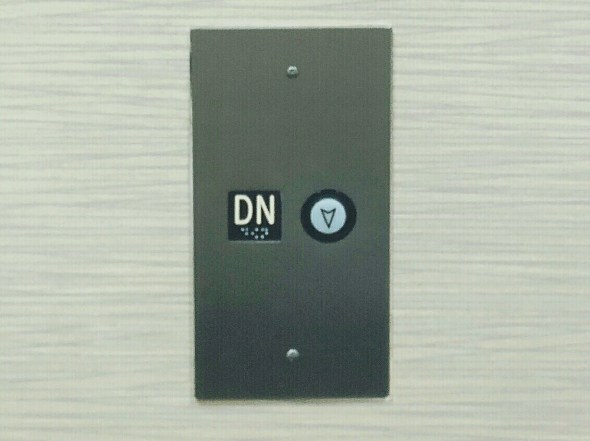
While getting in an elevator earlier in the week, I could not hold back visions of big ice on Champlain, Sebago or last year on Moosehead ripping through my head. I pushed the button and…
This is the time of year where we (ice boaters) narrow our mental focus. Like the hammer that sees everything as a “Nail”, we know water will become ice and our winter arena will soon unfold. Others curse the first morning’s frost, we feel joy in scrapping our windshield and drool.
We salivate like the proverbial Pavlov’s dog at the very thought of any ice crystalline structure. We know from experience that cold leads to frost which leads icy puddles which leads to crusted over bogs than wider and deeper bodies till we can walk, stand, skate than sail a given area. So drool we must.
See you at the Swap and Annual Meeting this Saturday. Remember the fun begins in the parking lot starting at 9:00 Lunch and meeting to follow. You do not have to be a member to attend, though we may try and twist your arm. There will be lots of equipment and some door prices from a new sponsor Landfall Navigation.
Swap Meet: 9:00 am
Knights of Columbus Hall, 17 Willow Street, Westborough, MA 01581 Directions
Keep thinking ice and looking for the small signs that we will be sailing soon,
John Stanton
NEIYA Vice Commodore
DN5023
P.S. If you have not already paid your dues and Saturday’s lunch click on the buttons to the right to pay on line. Bob Our Treasurer will be happy not to chase you down.
11/03/2016 | Categories: 2016 Season | Comments Off on “DN” For Going Down and The Annual Swap and Meeting Coming “UP” Saturday Nov 5th
Commodore T has been keeping an eye on everyone’s warm weather training and activites. Well sure is looking like T is perfecting his starting maneuvers. Below is a summary of what iceboaters did this past warm summer.
Scott Valentine – Sailing the on the hard at Jones Beach parking lot Mike Derusha – Traveling through Eben Whitcomb and Doug Raymond – Ploding along at a leeirsurely pace on Penobscot Bay Mike Acebo and Ralph Hilber – Recruiting new ice boaters at LI boating festival Dave Elsmo – Ripping up the Great Lakes aboard Denalli and accompanied by east coat rocker The Boss… Roachim Roesler – Bolting on the wheels and looking for asphalt Jim Hadley – Hauling in the some monster catches off the Jersey coast Denis Guertin – Photo Contest winner Steve Duhamel and Bill Converse cheering from the bleechers the smell of high octane, over heated brakes and burnt rubber in the air at Seekonk raceway Russ Hancock, Jonathan Green, Steve and James Lamb and Oliver Moore – Made their way from Newport through the stream, the happy valley and safely arived in Bermuda while Comanchi ripped allong at a ace more familiar to iceboaters Warren Nethercotte – An NEIYA friend and NOVA sailer was recognized by Sail Canada as a top volunteer
Good Luck and please pay for your dues and lunch that the upcoming swap meet. Look in the right column for online and snail mail bookings.
Think Ice,
VC John
11/02/2016 | Categories: 2016 Season | Comments Off on Perfecting That DN Cockpit Sprawl
All are welcome experienced and newbies alike. If you’re new or want to try iceboating you can not miss this opportunity to chat with seasoned ice sailors of all levels. There will be top ranked racers and recreational sailors all with one common goal, SAIL FAST.
You don’t have to be a member to come but we do want $10 for lunch.
Note to current members, your 2017 dues are due NOW. Don’t make me send Eben “Claw Hammer” out to pry the money from your wallet. Click on the links below and pay your dues and lunch today.


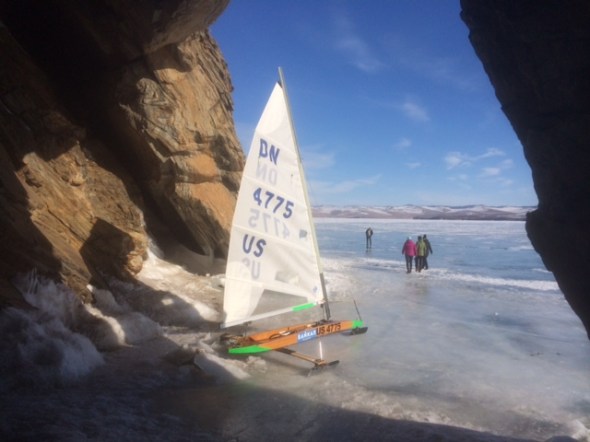 Photo credit Eben Whitcomb
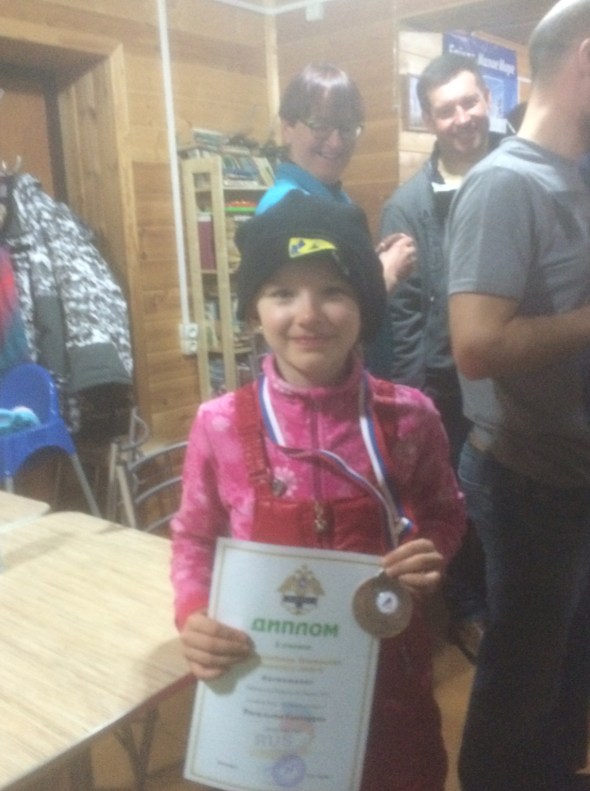 Photo credits Eben Whitcomb






 New England Ice Yacht Association